












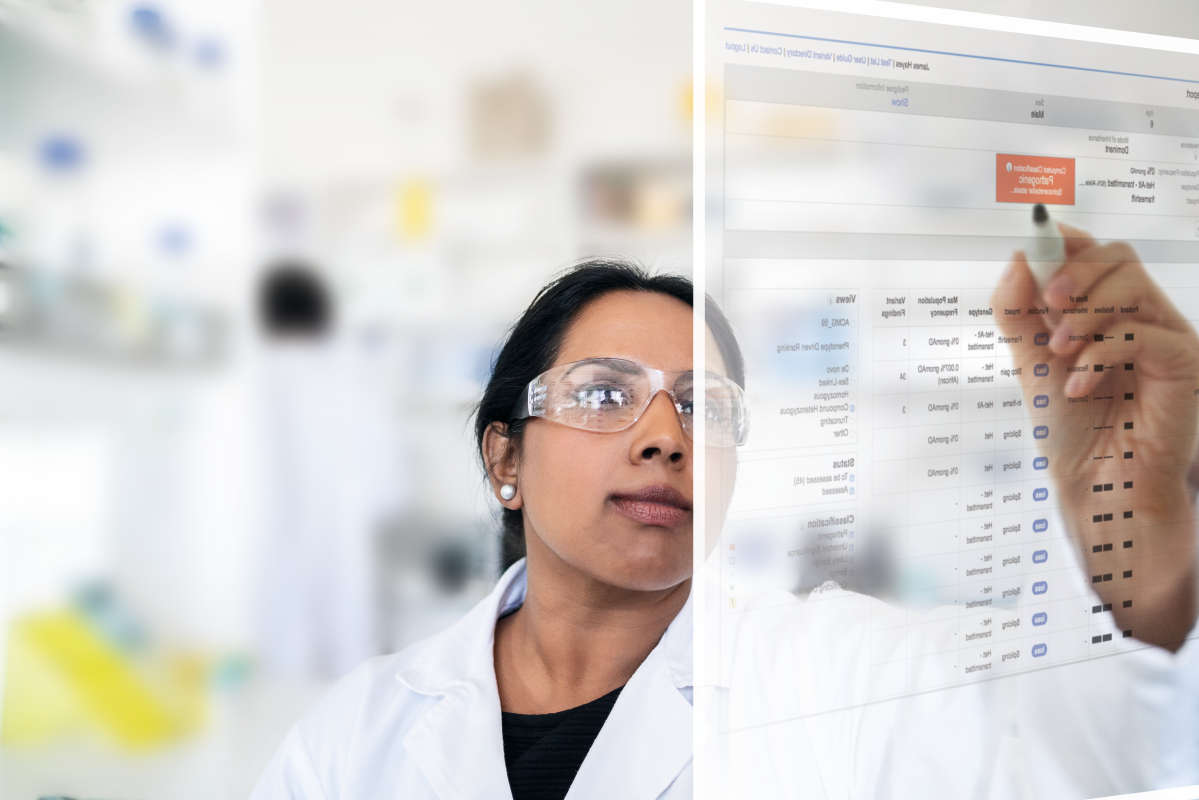
At ESHG 2024, enter for your chance to win a QIAGEN water bottle by taking our fun QIAGEN quiz. If you win, you can pick up your prize during the conference at booth #486!
This year at the European Society for Human Genetics (ESHG) 2024 Annual Meeting, QIAGEN will be showcasing our Sample to Insight solutions for whole genome, exome, and large panel sequencing for rare and inherited disease applications.
Stop by booth #486 to learn more about our products and solutions and receive complimentary demos of our bioinformatic software and databases. Our experts will be available to chat with you and answer any questions you may have. We look forward to seeing you at ESHG 2024.
In this presentation, a real life study example will be presented where saliva is introduced as the sample type for home collection, how these samples are transported to the laboratory in a timely manner and the successful implementation of automated DNA extraction directly from the saliva collection device.
Shireen Kharodia, LCB Manager, NIHR Leicester Biomedical Research Centre, Department of Cardiovascular Sciences, University of Leicester
In this presentation, we will introduce a new solution developed to bring flexibility and accuracy using a multimodal single-tube approach to generate DNA and RNA libraries. Further integration of technologies such as UMIs, rRNA depletion and hybrid capture make the workflow compatible with several sample types and applications, accelerating multiomic studies from a single sample using the QIAseq Multimodal DNA/RNA Library Kit.
Hélène Bauby, PhD, Senior Global Product Manager QIAGEN, Targeted Genomics and Enterprise Genomics Solutions (EGS)
The Newborn Genomes Programme Generation Study is a groundbreaking, first-of-its-kind initiative launched by Genomics England that will sequence the genomes of 100,000 newborns in the United Kingdom by 2025. In this talk, hear from Genomics England as they discuss the development and deployment of the study, why they partnered with QIAGEN, and how WGS can become more accessible for routine testing at the point-of-care.
Dalia Kasperaviciute, PhD, Head of Genomic Data Sciences for Rare Disease, Genomics England
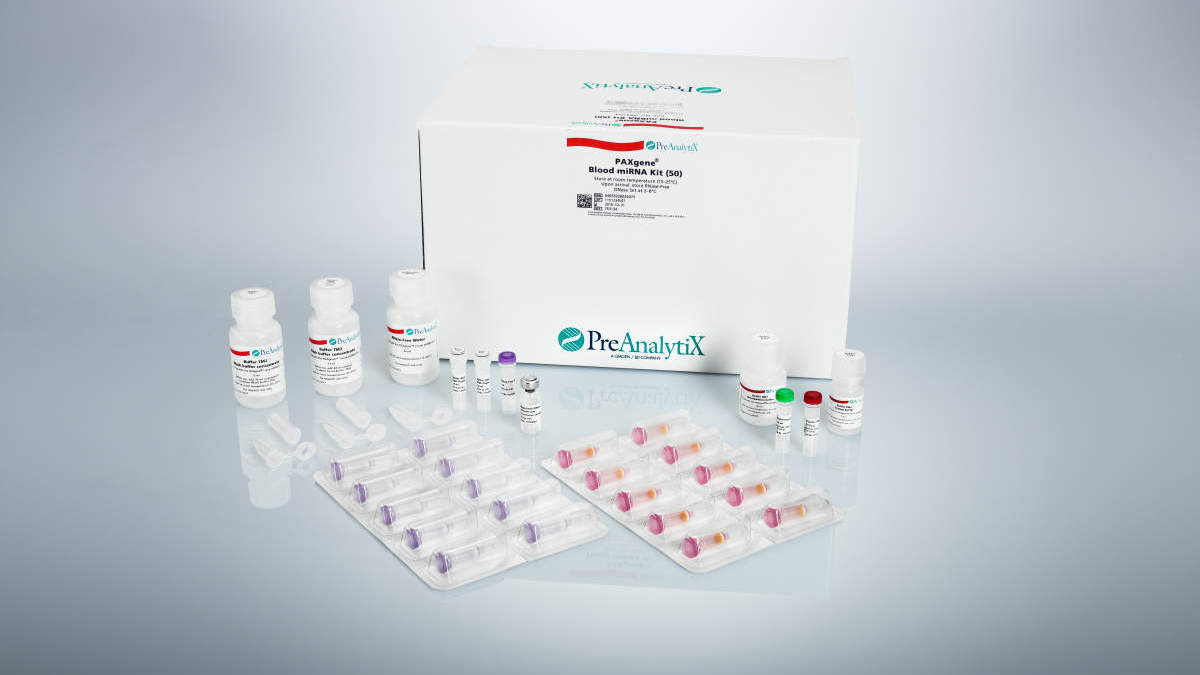
An integrated and standardized system for collection and stabilization of whole blood specimens and isolation of their genomic DNA.
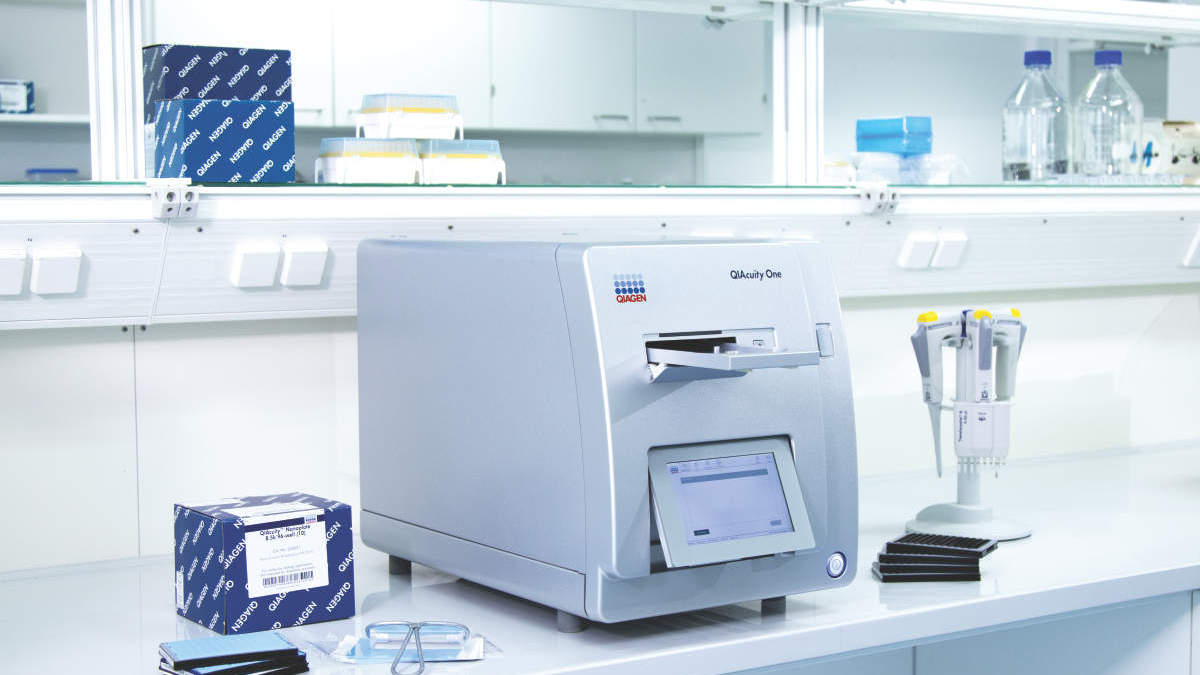
A nanoplate-based system delivering the precision and sensitivity for copy number variation, mutation detection, gene expression.
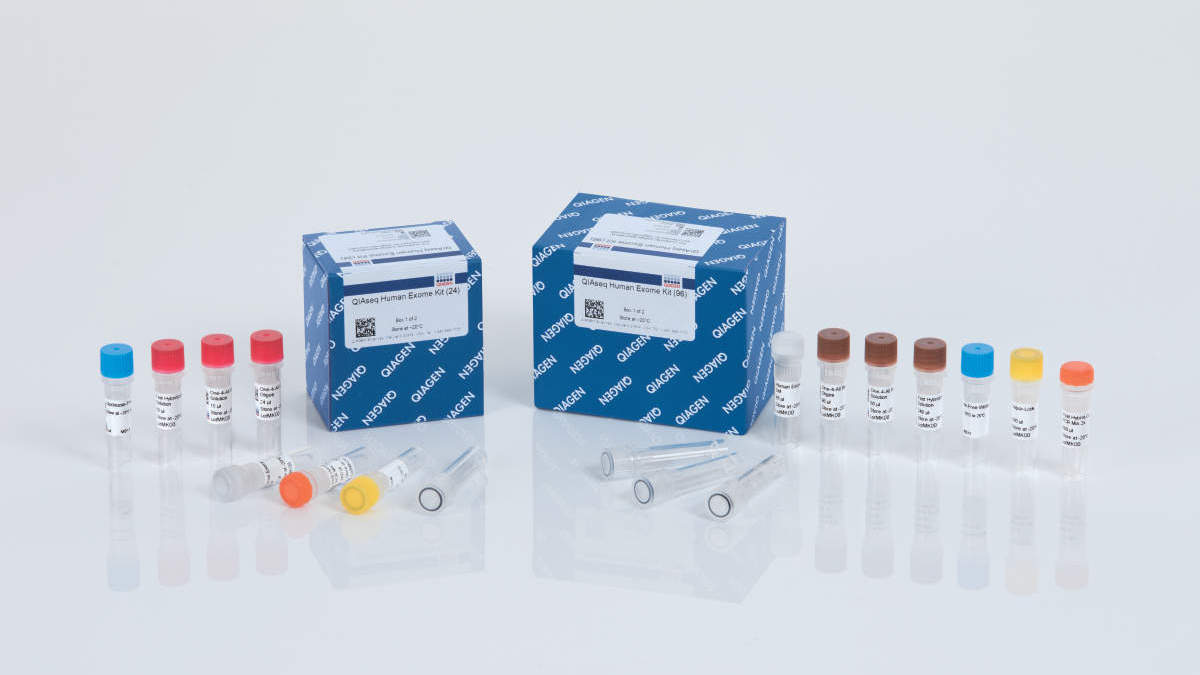
A single-day, automation-compatible sample to sequencing workflow to reduce costs, improve scalability, and improve turnaround time.
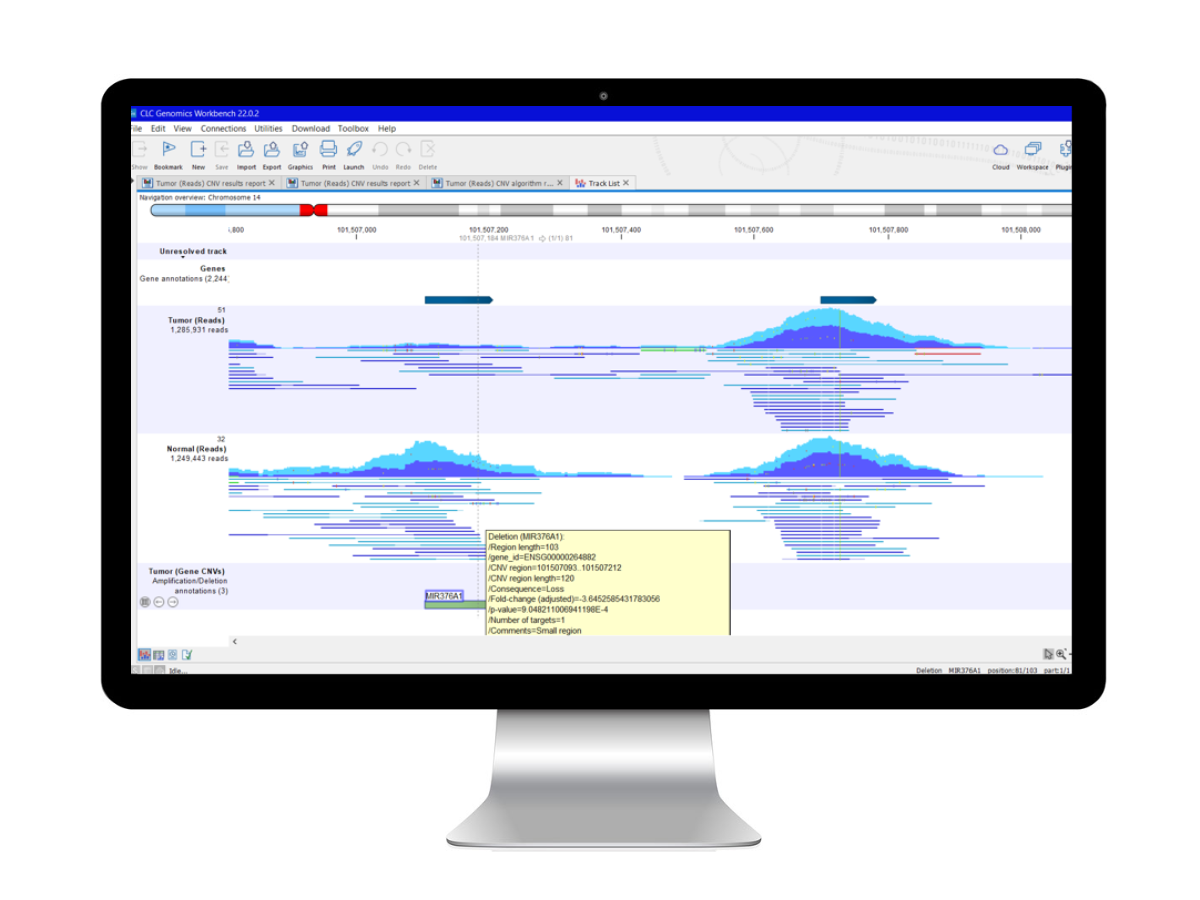
An agnostic cloud-based service for NGS secondary analysis enabling labs to process more data without extensive resource investment.
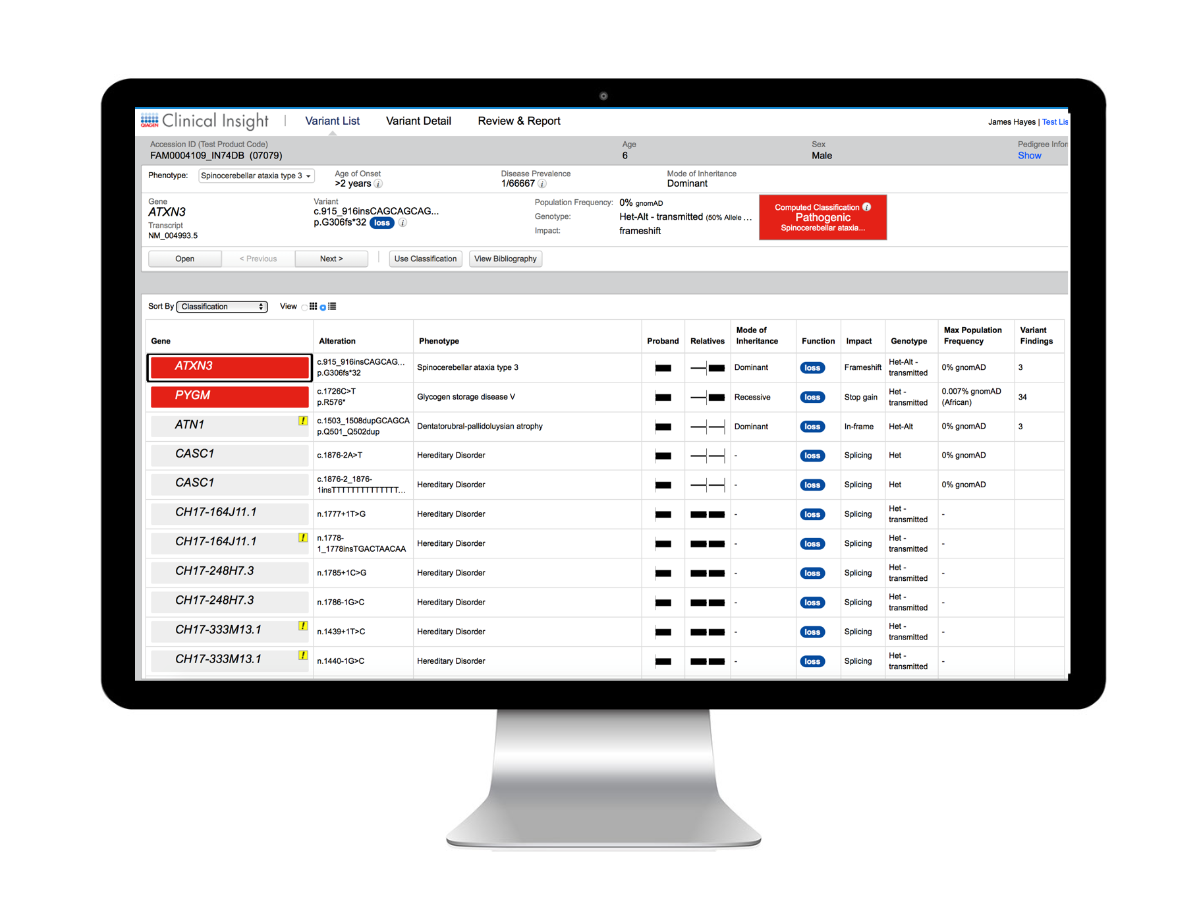
Automated variant interpretation and reporting platform powered by AI-enabled literature searches and state-of-the-art manual curation.
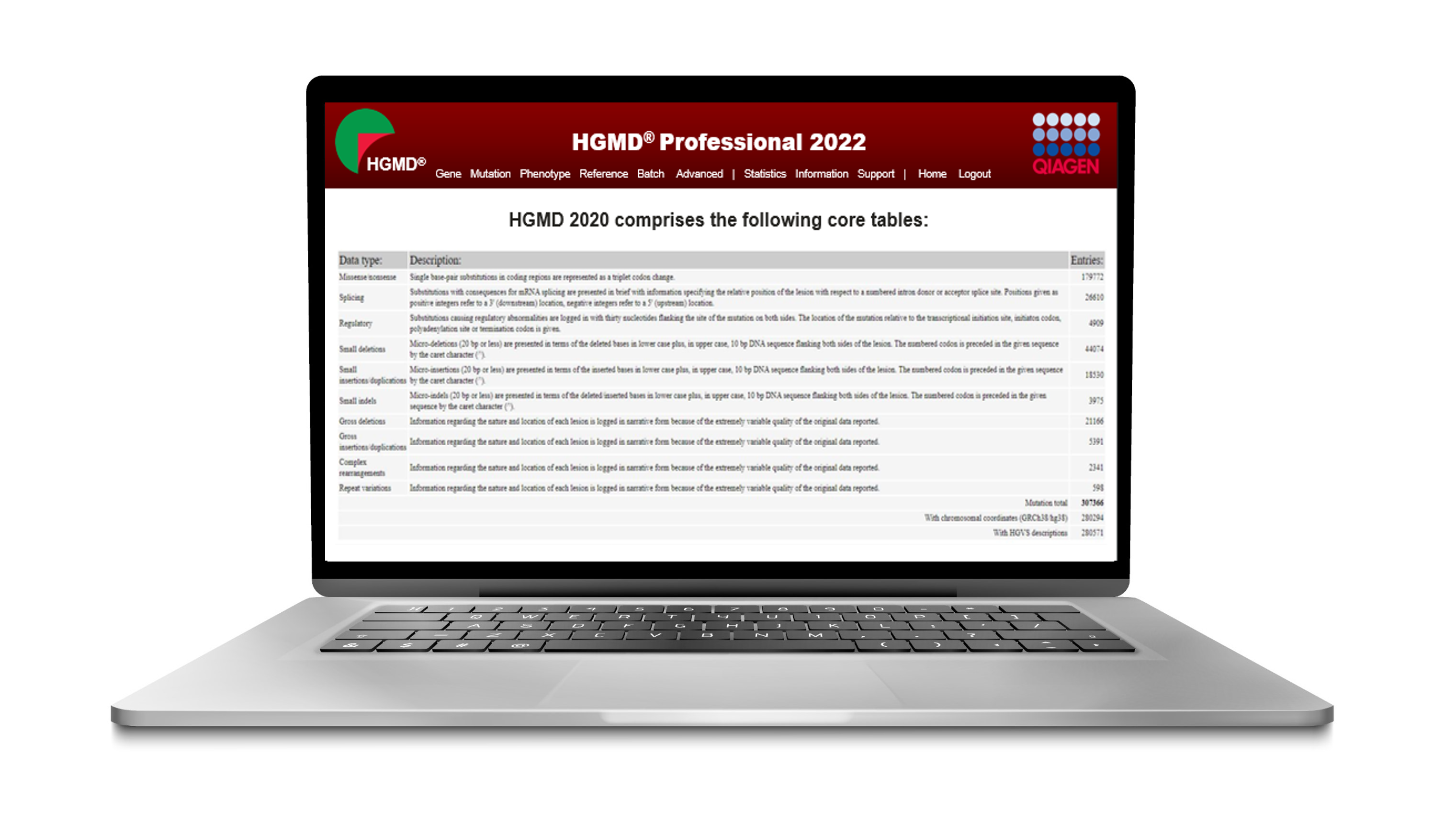
The largest, manually curated resource for finding disease-causing mutations exclusively licensed through QIAGEN.